
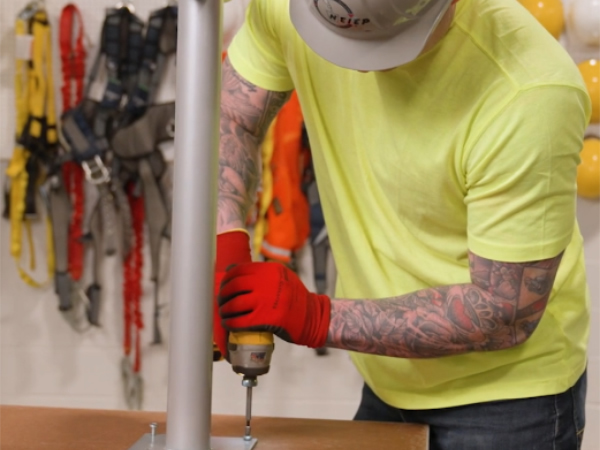
Tool Safety in the Elevator Industry: Hand Tools, Power Tools, and Hydraulic Jacks
Every day, Elevator Constructors rely on a wide variety of tools to carry out the work that keeps buildings running safely. From basic hand tools to complex power equipment, the tasks performed across installation, maintenance, and service calls all depend on tools being in safe condition, used correctly, and appropriate for the job at hand.
When tools are well-maintained and used properly, they help workers complete tasks efficiently and safely. When they are damaged, misused, or poorly maintained, they can become a serious hazard. Tool-related injuries are among the most preventable on any jobsite, and awareness, preparation, and good habits go a long way toward keeping Elevator Constructors safe.
As with any task in the field, workers should perform a job hazard analysis (JHA) before beginning work, use the appropriate personal protective equipment (PPE), and follow all company-specific safety policies.
The Importance of Tool Safety for Elevator Constructors
Elevator construction work involves a wide range of conditions, including active jobsites, confined spaces, heights, electrical systems, and heavy loads. In environments like these, the condition and operation of every tool matters. A chisel with a mushroom head, a hammer with a cracked handle, or a grinder without its guard can all create hazards that affect not only the worker using the tool, but also coworkers in the area.
Tool safety is not simply about following rules. It is about maintaining the focus and discipline that safe work requires. Recognizing when a tool is no longer safe to use —and removing it from service before it causes an injury— is a core part of working responsibly in the elevator trade.
Hand Tools: Inspection and Proper Use
Common hand tools in the elevator industry include hammers, saws, chisels, shovels, pry bars, pliers, screwdrivers, wrenches, and measuring tools. All must be maintained in safe working condition and inspected before each use. Key practices include:
- Wooden handles must be free of splinters and cracks, with the tool head seated tightly
- Impact tools such as chisels and punches must be free of mushroom heads, which can shatter under impact and send metal fragments toward nearby workers
- Damaged tools must be removed from service immediately
- Tools should only be used for tasks they were designed to perform, and improvising with the wrong tool increases the likelihood of damage, slippage, or failure.
Power Tools: Inspection, Guards, and Grounding
Common power tools in the elevator industry include drill motors, impact wrenches, hammer drills, grinders, reciprocating saws, and powder-actuated tools. These tools expand jobsite capabilities but introduce hazards that require careful attention before and during use:
- Inspect every power tool before each use, as damaged cords, cracked housings, missing guards, and malfunctioning switches all require the tool to be removed from service
- Guards must remain in place during operation; removing or bypassing a guard is never acceptable
- Electric power tools must be properly grounded or of an approved double-insulated type
- Never hoist or lower a power tool by its power cord which is not designed to bear tool weight and can be damaged in ways that create shock or fire hazards.
Hydraulic Jacks: Stability and Load Control
Hydraulic jacks are used to lift and support heavy loads and require particular care during setup and operation. When improperly set up or used beyond their designed capacity, the consequences can be severe. Safe hydraulic jack practices include:
- The base must be placed on a firm, level surface capable of supporting the load
- If slippage is possible, place a wood block between the jack and the load for stability
- Once a load is raised, it must be blocked or secured before any work is performed beneath or around it
- Never rely solely on a hydraulic jack to support a raised load as hydraulic systems can fail or lose pressure unexpectedly.
Regulatory Standards and Safe Practices
Tool safety in the construction industry is governed by OSHA standards, including 29 CFR 1926.300, 1926.301, and 1926.302. These standards establish minimum requirements for the safe use, maintenance, and inspection of hand tools, power tools, and other equipment on construction jobsites. Familiarity with these standards helps Elevator Constructors understand both their rights and their responsibilities when it comes to tool safety.
Beyond regulatory compliance, tool safety ultimately depends on consistent habits and personal accountability. Inspecting tools before use, removing damaged equipment from service, using appropriate PPE, and selecting the correct tool for each task are practices that protect workers every day.
Supporting a Safer Industry
NEIEP prepares Elevator Constructors to recognize hazards, follow safe work practices, and make informed decisions during their apprenticeships and throughout their careers. Tool safety is woven into that preparation because the consequences of tool-related injuries are real and preventable.
Taking care of tools, staying alert to signs of damage or wear, and speaking up when equipment should be removed from service all contribute to safer jobsites and stronger safety cultures across the entire elevator industry.
Know the steps. Follow the process. Get home safely.