
Understanding Electrical Hazards: Arc Flash, Shock, and Safe Work Practices
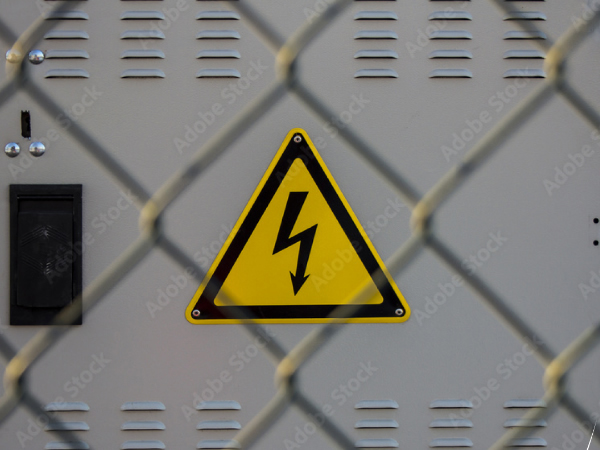
Electricity is essential to elevator systems, and it is one of the most dangerous hazards Elevator Constructors face on the job. From controllers and power tools to overhead power lines and energized circuits, electrical hazards are present in machine rooms, hoistways, pits, and rooftops every day.
Serious electrical injuries often happen in seconds, but their causes are almost always predictable. Electrical safety is not about luck or reaction. It is about preparation, training, and disciplined work practices that reduce exposure before an incident occurs.
Understanding where electrical hazards exist, how injuries happen, and how to create an electrically safe work condition is critical to making sure every worker goes home safely at the end of the day.
Common Electrical Hazards in the Elevator Industry
Elevator Constructors routinely encounter electrical hazards including:
- Live circuits inside controllers
- Arc-flash hazards when working near energized equipment
- Power tools, extension cords, and temporary power
- Overhead power lines when using cranes or lifts
These hazards are often present during troubleshooting, installation, modernization, and repair work. The risk increases when work is rushed, procedures are skipped, or hazards are underestimated.
Arc Flash: One of the Most Severe Electrical Hazards
An arc flash is a sudden release of electrical energy through the air when a high-voltage gap exists and electrical insulation breaks down. Arc flash incidents can produce:
- Temperatures as high as 35,000°F
- Intense thermal radiation capable of causing severe burns
- Bright flashes that can damage eyesight
- Pressure waves that can knock workers off balance
Almost all arc-flash incidents occur when workers are untrained or ignore established safe work practices. Preventing arc flash starts with following current electrical safety standards, including guidance published by the National Fire Protection Association (NFPA), and recognizing when energized work can and should be avoided.
Creating an Electrically Safe Work Condition
If power or equipment movement is not required to perform a task, the safest option is to de-energize the system.
Creating an electrically safe work condition includes:
- Wearing appropriate PPE for the voltage and working distance
- Locking out and tagging out equipment before work begins
- Verifying the absence of voltage using the live-dead-live test method
- Allowing stored energy, such as capacitors, to fully discharge
- Confirming energy dissipation by checking indicator lights and measuring voltage
Some equipment, including variable frequency drives and generators, can store more than 50 volts and may take 10–15 minutes to discharge fully. Never assume energy is gone. Always verify.
Safe Work Practices Around Energized Equipment
When work must be performed near energized circuits, additional precautions are required:
- Perform a Job Hazard Analysis (JHA/JSA) before starting work
- Secure the area from non-qualified or unauthorized personnel
- Keep machine room doors closed and locked
- Use barriers and warning signs in public access areas
- Maintain a clean, dry, well-lit workspace
- Never reach blindly into areas that may contain live parts
Treat all components as if they could be energized. Even equipment that has been locked and tagged out may still contain lighting or safety circuits that remain live.
PPE, Positioning, and Physical Awareness
Electrical safety depends heavily on body position and awareness:
- Wear voltage-rated PPE appropriate for the task
- Inspect PPE before use
- Remove conductive items such as jewelry, key chains, and tool belts
- Stand to the side and turn your head away when operating disconnects
- Never open a main line disconnect
- Verify voltage at the controller before beginning work
If access is required inside a mainline disconnect, stop work and contact supervision or the building owner.
Working Safely Around Power Lines and Moisture
Overhead power lines present a serious hazard when cranes, lifts, or long materials are in use. Always maintain minimum clearance distances based on voltage and never assume lines are insulated.
Moisture also increases electrical risk. Do not enter flooded machine rooms or elevator pits until hazards have been corrected. If work surfaces are damp, use voltage-rated insulated mats and ensure footing is secure and non-conductive.
Why This Matters for Elevator Constructors
Electrical injuries depend on multiple factors, including current path through the body, amount of current, exposure time, and whether skin is wet or dry. The difference between a near miss and a fatal incident is often one skipped step or overlooked procedure.
Electrical safety is not a single action, it is a system of training, planning, PPE, lockout tagout procedures, and disciplined execution. By reinforcing these practices through apprenticeship and Continuing Education, NEIEP helps ensure that Elevator Constructors are prepared to recognize hazards, control risk, and perform their work safely and professionally.
When it comes to electricity, the safest job is the one planned correctly before the power is ever turned on.