
Ergonomic Risk Factors for Elevator Constructors
Elevator construction is physically demanding work. From lifting heavy components to working in tight spaces, Elevator Constructors regularly perform tasks that place strain on the body. Over time, that strain can lead to serious injuries if proper techniques and planning are not used.
Ergonomics plays a critical role in jobsite safety. Ergonomics means fitting the job to the worker by considering workstations, tools, and equipment. When work is planned and performed with ergonomics in mind, it reduces physical stress, improves efficiency, and helps prevent injuries that can affect workers for years.
Understanding ergonomic risk factors and the safe work practices that reduce strain is an important part of ensuring every Elevator Constructor can work safely throughout their career.
Common Ergonomic Hazards in the Elevator Industry
Elevator Constructors must learn safety procedures like fall protection and arc flash safety, yet overexertion is the leading cause of workplace injuries, with bodily reactions and repetitive motion among the most common causes.
Elevator Constructors frequently encounter tasks that create ergonomic strain, including:
- Lifting heavy objects
- Pushing or pulling loads
- Pouring materials manually
- Maintaining control of tools or equipment
These activities are common during installation, modernization, maintenance, and repair work. When combined with awkward positioning or repetitive motion, the risk of injury increases significantly.
Risk Factors That Lead to Ergonomic Injuries
Ergonomic injuries often result from excessive force or poor body positioning.
Repetitive tasks and prolonged or awkward postures can place additional strain on the body. In elevator work, common risk factors include:
- Working overhead
- Kneeling for extended periods
- Squatting while performing tasks
- Twisting while lifting
- Using the hand as a hammer
Over time, these types of movements can lead to muscle strain, joint injuries, and long-term musculoskeletal disorders.
Reducing Ergonomic Risk Through Planning
Like most workplace hazards, reducing ergonomic risk starts with planning. An effective ergonomics program includes training, job hazard analysis, and feedback from all levels of the workforce. Identifying tasks that involve force, repetition, or awkward posture allows hazards to be addressed before work begins.
When crews discuss the work ahead of time and identify potential strain points, they can adjust their approach to reduce risk.
Safe work practices also play an important role. Stretching before work, rotating tasks to limit repetition, and taking additional rest breaks when needed can significantly reduce the strain placed on the body throughout the day.
Using PPE to Reduce Physical Strain
Personal protective equipment can also help reduce ergonomic stress when used correctly.
Examples include:
- Gripping gloves that improve control of tools and materials
- Knee pads that protect workers during kneeling tasks
- Thermal or specialty gloves that reduce strain from tools and temperature extremes
- Lifting straps, shoulder harnesses, and braces that provide additional support
While these tools can help reduce strain, they do not replace proper work techniques. PPE should always be used as part of a larger safety approach that includes planning and proper lifting practices.
Safe Lifting Techniques
Many ergonomic injuries occur during lifting tasks. Planning lifts ahead of time can significantly reduce the risk.
Important considerations include:
- Minimize lifting distances whenever possible
- Avoid lifting materials directly from the floor
- Reduce unstable or heavy loads when possible
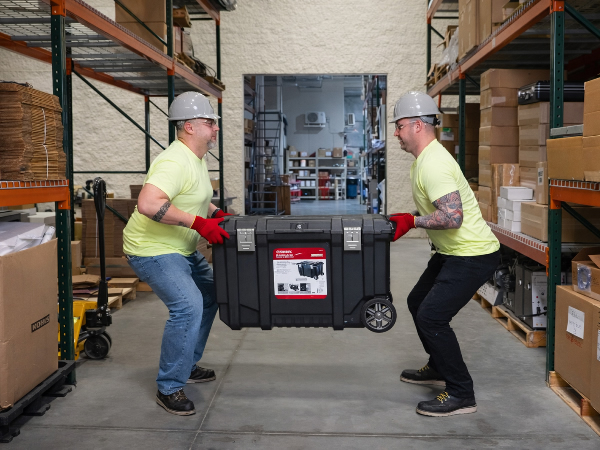
- Use team lifting for heavy, bulky, or awkward materials
When lifting is required, proper technique is essential:
- Grip the load securely with both hands
- Keep the load close to the body
- Use smooth, controlled movements
- Lift with the legs rather than the back
- Avoid twisting while lifting
These practices reduce stress on the back and help maintain better balance and control.
Environmental Factors That Increase Risk
Work environments can also contribute to ergonomic hazards. Conditions such as hot or cold temperatures, high-temperature machine rooms, cold construction sites, or poor visibility can affect coordination and increase the chance of injury.
When environmental conditions are challenging, it becomes even more important to slow down, maintain good footing, and use proper lifting and work techniques.
Why Ergonomics Matters for Elevator Constructors
Unlike many other jobsite hazards, ergonomic injuries often develop gradually. Repeated strain over time can lead to long-term damage that affects a worker’s ability to perform their job or even continue working in the trade.
By planning the work, recognizing risk factors, and using proper techniques, Elevator Constructors can significantly reduce the physical strain associated with their work. Through apprenticeship and Continuing Education, NEIEP emphasizes safe work practices that protect Elevator Constructors on the job.
When the work is planned correctly and performed using proper techniques, workers can reduce risk, protect their bodies, and continue building safe, reliable elevator systems for years to come.